
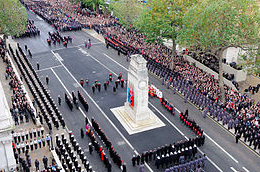
I’ve just tried to tune into BBC TV. They normally have a politics programme at this time, but today it’s missing. It’s all First World War commemoration. As a Plan B, I checked RTÉ. What do you think? Same story – all about First World War commemoration.
In any of the thousands of words that will spill from political lips today at these ceremonies, will anyone cut to the chase? Leo Varadkar is in Paris and has echoed Tom Kettle’s words about WWI:
“We honour those who died not for flag, nor king, nor emperor – but for a dream, born in a herdsman’s shed, and for the secret scripture of the poor.”
When I read these words, I was tempted to say “Crikey! That’s so poetic, it could have come from Michael D Higgins!” And so it could. But I’d be interested to know if anyone understands it. The first bit about flag and king and emperor – that’s fine, perfectly clear. But the bit about a dream, and a herdsman’s shed, and the secret scripture of the poor? It appears to be tying in the birth of Jesus and the poor and religious scriptures, but apart from that I haven’t an idea.
That’s what’ll be missing from ALL the speeches today: clarity. It’s like the time QE2 visited Dublin: journalists and politicians and men of learning and writers fell over themselves to say how golden, how fresh spring, how rainbow of reconciliation it was. Nobody mentioned that it didn’t address what’s divided Ireland and England for centuries: the English claim of jurisdiction over all or now part of Ireland. When I say nobody, I did, in an interview with Jon Snow. Unfortunately no one was listening.
But to come back to today. Among all the verbiage, I’ll bet there’ll be no emphasis laid on the one single lesson that WWI offers: what a bloody waste. People who collect stamps or play chess do it because it’s their idea of fun. But we study History – or should study it- for more than the fun of knowing what was in that soldier’s kit-bag besides his troubles. The only truly worthwhile reason for studying history is so that we don’t make the same mistakes again. The First World War proved beyond doubt that all war achieved was blood, suffering and death. The lesson to be taken from it was that it’d be the war to end wars. Pretty funny, huh? Yet no public figure speaking today will say “The 1914-1918 war should have taught us not to kill each other. Can we all now pledge to renounce force as a means towards a political end?”
Come to think of it: that’s what British and American politicians used to lecture us on during the Troubles. Maybe it’s time a troughful of that sauce was fed to the gander.
Comments are closed.