
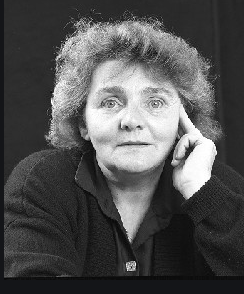
I think the year was 1971 and my father was a patient in Altnagelvin Hospital. The hospital was built in the Waterside area of the City, though the majority of citizens lived on what has now become the West Bank of the River Foyle. It was only accessible by the Craigavon Bridge, the only bridge built over the river. In retrospect the decision to locate a hospital in Derry at all was indeed remarkable as Derry was predominantly a Nationalist/Republican city and a backwater in the minds of the Unionist-dominated Council and parliament at Stormont. In 1960 when the hospital was officially opened the population on the West Bank of the river was roughly 12, 000 as compared to around 6000 in the Waterside .
At the time I write of, the Red Coats, the policing service of the British Army, were in charge of manning the permanent check points on Craigavon Bridge. This meant that all traffic going and coming form the Waterside area of the City was stopped and searched. Buses were no exception. As passengers we were told to alight and soldiers boarded the bus, moving up the aisles and searching under the seats.
After a week of this on /off military interference, I decided I had had enough. It was Saturday and my mother and sister and I had been visiting my father. I decided that no matter what, I was not leaving the bus at the check-point. On the way back, I informed my mother and sister and told them to sit on different seats from me and to get off the bus when ordered. My poor mother was petrified and pleaded with me not to make trouble. In any event the bus arrives at the checkpoint and as usual the Redcoat came onto the bus and asked everyone to get off. Everyone got off including my mother and sister. I sat on. A soldier came to where I was sitting and said very politely ‘Madam you have to get off the bus’. I said ‘I am not getting off this bus’. He looked as if I had hit him and then repeated his order. I sat there. He left and came back with another soldier who repeated the order. The two of them left and sometime later returned with two RUC men who told me to get off the bus. Meanwhile all the passengers including my mother and sister were standing outside the bus and I could the annoyance in some of the comments being shouted in the window. My dear mother and sister said nothing. Sometime later, another bus came to the other side of the checkpoint and the passengers were told to get on including my mother and sister. Sometime later more soldiers with a woman Redcoat and more RUC men arrived and started a search of the bus. I guess they were trying to intimidate me as they pulled out seats and ran something over the overhead bins. When they left the driver thanked me and told me that he too was fed up being stopped and asked to get off his bus. By this time the traffic on the Waterside part of the checkpoint was queued up as far as Strabane and another driver arrived to relieve the driver who was scheduled to drive the 5 pm bus to Belfast. A bus inspector arrived and soon became involved in a row with the Redcoats and the RUC men.
At around 6 o’clock a soldier boarded the bus and told the driver to move out. I had been sitting in the bus since around 3.30pm.
When I eventually arrives at Kells Walk, my mother’s home, she greeted me with the words, ‘I will never travel anywhere with you again. I will go in a donkey and cart first’.
I can’t say precisely when the checkpoints were removed from the bridge but I was reminded of my wee protest when years later I read of Rosa Parks. She started a whole movement for justice equality and civil rights.
Comments are closed.