
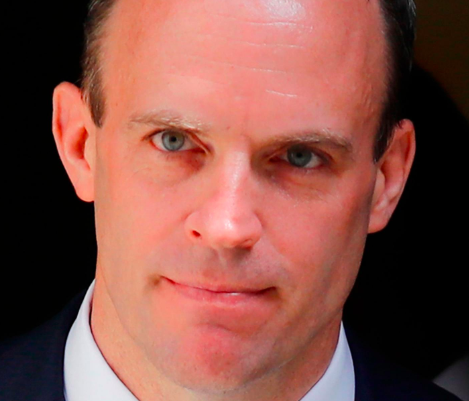
Well – Britain’s new Brexit secretary, Dominic Raab, hasn’t been long about telling the EU there’ll be no more Mr Nice Guy. The good cop David Davis is gone, the bad cop Dominic Raab is now installed.
He’s made his tough-knuckled approach clear by telling the EU that the UK will refuse to pay its £35 billion divorce bill, if the UK doesn’t get a satisfactory trade settlement. Whew. Now that’s what I call a persuasive weapon. Even the richest of groups is bound to be impressed by the prospect of £35 billion and downcast at the prospect of its being not delivered.
So is that the ultimate leverage the UK has with the EU, just as the DUP has the ultimate leverage of numbers to persuade the UK that they need £1 billion extra? Will the EU capitulate as tamely as Theresa May appears to have done to Nigel and Co?
Unlikely. In fact I’d expect the EU to call the UK’s bluff. Go ahead, Englanders. Make our day. Because the EU know that if the UK were to actually follow through on Raab’s threat and tell the EU to go whistle for their money, the UK’s credibility as a trading entity would be shot. Who’s going to want to form trade agreements or any other kind of agreements with people who say one thing and then do another?
To bring it down to a homelier level: have you noticed how keen dealers on ebay are, that you write them a positive review, and how they’ll do nearly anything to protect their online reputation? If you’re going to buy, say, a laptop from someone on ebay, you check to see how many stars they got from other people who had dealings with them in the past. If the reputation is good, you buy. If it’s not, you don’t. Simples.
So yes. The UK’s Dominic Raab could tell the EU they’re not getting that £35 billion – but if he did, at one stroke he’d have shredded the UK’s business reputation. Who wants to form agreements with people who can’t be trusted to keep their word?
Afterthought: mightn’t the DUP be in a similar situation with the Tories? Were they to pull the electoral pin, they’d be seen as the party which, when it’s bought, can’t be relied on to stay bought.
Comments are closed.