

I always feel a little uneasy at this time of year –not sure why. Maybe there’s a sense of being suspended between winter (it’s grey and damp outside today) and Spring (my flowerbed in the rain is still stuffed with colour). Should I be gritting my teeth for the tail-end of dark evenings or singing Halleluiah that warm days are on their way?
I didn’t mention this uneasiness when I was on Sunday Sequence this morning. On the panel with me was a Jewish man called Leon and a Christian woman called Vi. Our topic for discussion was Easter, which gave us plenty of scope. Leon obviously has brains and facts about Easter, Vi is a woman who is clearly a committed Christian, focused on the resurrection of Christ.
And me? I’m a practicing Catholic but I couldn’t find a way to talk about Easter in the informed, targeted way my co-panelists were doing. For me, there are three aspects of Easter which weave in and out of one another effortlessly.
The first is Nature. Whatever about the grey day we have today, Easter is a time when the natural world defies the death of winter and once more pushes up with its leaves and flowers, its stretched evenings, its Spring lambs, its nesting birds. When I was young I scarcely noticed these things, paid them at best marginal attention. Nowadays the change from dark to light, of bare branches to fluttering leaves, of cold to warmth seems miraculous. Our spinning world, in its dance round the sun, pulling out fertility and growth once again.
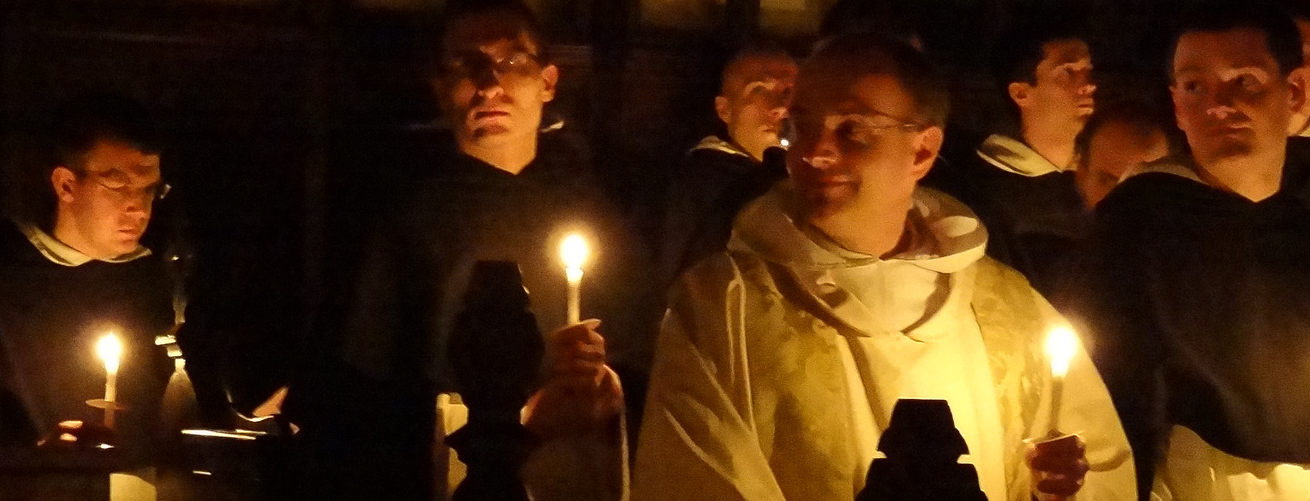
I find that the Easter vigil religious ceremonies have a beauty and a lively praise that is heartening. Life has meaning through contrasts, and the move from the grief and betrayal and darkness of Holy Week to the jubilation of Easter victory over death seem more meaningful, maybe because I realize there are/will be fewer and fewer available to me.
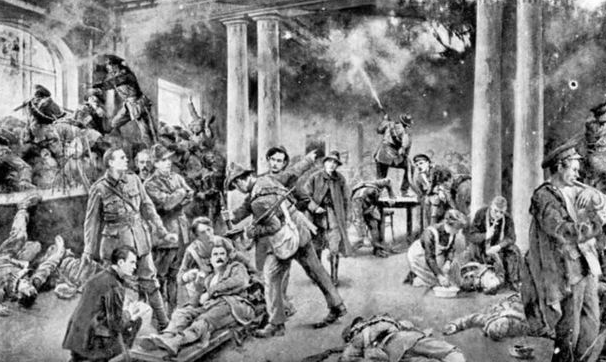
And thirdly, I’m aware that this is Easter Week, of which the song tells us we should not fear to speak. Shortly before he was executed, Seán Mac Diarmada wrote “I feel happiness the like of which I have never experienced. I die that the Irish nation might live!” And yes, Pearse and the others saw themselves as making a blood sacrifice that would be changed from defeat to victory. Those who signed the Easter Proclamation were keenly aware of how their actions linked to the Christian story of Holy Week and beyond that, to the renewal Nature brings with Spring.
Both Leon and Vi were able to focus solely on the religious aspect of Easter, I find that impossible – each of the three categories bleed into one another. I’m happy that the amazing events in the GPO a hundred years ago are brought fresh to our minds. Alongside that I find myself thinking of the Christian story of defeat and death transformed into glorious triumph. And mixed in with both is the defeat of my bare, grim flower-bed in December by the (today slightly sodden) blaze of colour that shrieks “New life!”
Maybe it’s this rich mixture of Nature, religion and politics which leaves me feeling a little unbalanced. There’s room in our hearts and minds for all three simultaneously. The republican Easter lily became popular from the mid-1920s, when Cumann na mBan women stood outside churches, selling Easter lilies to help provide for the families of those who’d died in Easter Week and after. But the Easter lily goes beyond political boundaries, as these modest little lines remind us:
Another pilgrim on the journey
From the cradle to the tomb
Shall receive a name and blessing
While the Easter lilies bloom.
You are waxing very poetical on this gloomy Easter Sunday, Jude.Easter is , of course originally a wholly pagan affair, named after Eastra, the goddess of Spring and i suppose a symbol of the earth’s fecundity…all those wee flowers popping up in our flower-beds and the hedgerows full of blackthorn blossoms and bees. You can see how the early Christians nailed their colours of resurrection to that mast. Some even claim that the Easter story of the resurrection after three days is based on a Sumerian mythic legend “The Descent of Inanna” which dates back some 2000 years before Christ and was inscribed on clay tablets. In this story a grief-stricken Ishtar folliows her dead husband into the underworld where she is judged, stripped, killed and hung up on display for her pains.While she is gone, the earth loses all fertility and the crops fail. Assistance is requested from the water god and so Ishtar and her husband are brought back to life.Theyare given the power to return to the earth, as the light of the sun ,for six months of the year…..it’s a long story but the nub of it is that is how the seasons came to be.
You can see how the resurrection story might have entered the culture and how the Jesus story might have been embellished to fit with this kind of tradition of death and then new life…literally the triumph of light over darkness.
Enjoyed reading both missives, the sun is shining in Mayo, the easter bunnie arrived and i am off to honour our fallen heroes..
I still prefer the original Sumerian story of Damuzi to the Christian remake of Jesus at Easter. And people get mad at Hollywood for their cultural appropriation and remakes!