
[This blog first appeared as a column in the Andersonstown News]T
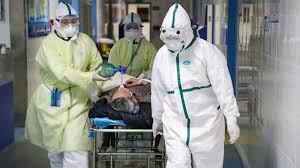
The horrors of coronavirus stare us in the face, but it has its potentially positive features too. Some of these positive elements we are experiencing even as the virus rages round the world; some we can expect (or should that be hope?) to see when this pestilence has grown weary and collapses.
The first is that, like it or lump it, the majority of us are being forced into a degree of mindfulness. That is, we begin to notice the sound of birdsong in the morning. When/if we’re released for our daily diet of exercise, we begin to notice how green the grass in that field is, how amazing the drama of cloud-formation above our heads, how gloriously yellow the daffodils are. This world may be full of care, but it’s given us time to stand and stare.
When I went for my daily ration of exercise, I liked to walk or jog. I did it along a fairly narrow strip of pavement. If someone was walking or jogging towards me, evasive action was necessary. So I slipped into the driveway of a house or up a small lane or (traffic allowing) moved onto the road for a few seconds. Sometime the approaching person had beaten me to it and had themselves ducked up a driveway. Inevitably there was a wave or word of greeting, of thank you, which wouldn’t have been there before. The crisis has brought out in small, near invisible ways, the good as well as the bad in people.
Of course, the biggest baddie is the one who gave us all the pandemic in the first place. Who was it – was it the Chinese, as Trump likes to tell people, so they’ll see the Chinese as the enemy, not him? Was it the farmers who brought live animals into a Chinese market, with livestock close to food? Was it somebody eating a bat? Was it God punishing us for being wicked?
If I can use another bit of animal imagery, that’s wild-hare-chasing. There is no baddie. No bat deliberately passed the virus to humans, no humans deliberately brought livestock into a market so it’d infect food, no Chinese person intended to infect another and the Chinese people didn’t want to infect the world. And the God I believe in isn’t one who has temper tantrums and vents his anger by killing hundreds of thousands of the humans he created. Forget it. The coronavirus happened. It’s here. Now, can we control it and can we learn from it?
Well, it will be controlled, it will come to an end. At some point the virus will run out of steam and a weary humankind will come cautiously out of its bunker. What then?
Well, the optimistic projection is that we’ll have learnt a very costly lesson, that human health is a precarious commodity and must be surrounded by safeguards. That means that right at the top of every government’s agenda is not GDP or jobs or money, but health. Post-virus, any government that doesn’t give its people a strong, responsive arms-around-every-citizen health service is a criminal government and should be voted into oblivion. A five-star health service is the foundation stone of any civilized country, just as being healthy is what each one of us needs before we can do anything worthwhile. Is fearr an tsláine ná na táinte – health truly is more important than wealth.
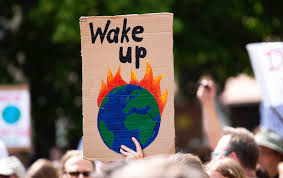
This pandemic is a wake-up call. A thunderous knock on the door from Nature or God or whatever name you choose to give it. Humankind’s entire economic and social system has been stopped in its tracks; with a huge effort and at immense cost in lives, we can crawl out of this pit.
But if we don’t take international, truly radical action inside the next decade, the climate crisis will make what we’re going through now seem positively trivial. Because next time, we’ll be pitched into a pit from which there will be no escape. Ever. Smell the flowers while you can.
Comments are closed.